How to make spring break more mindful in 2026
Less screen time. More noticing. More togetherness.
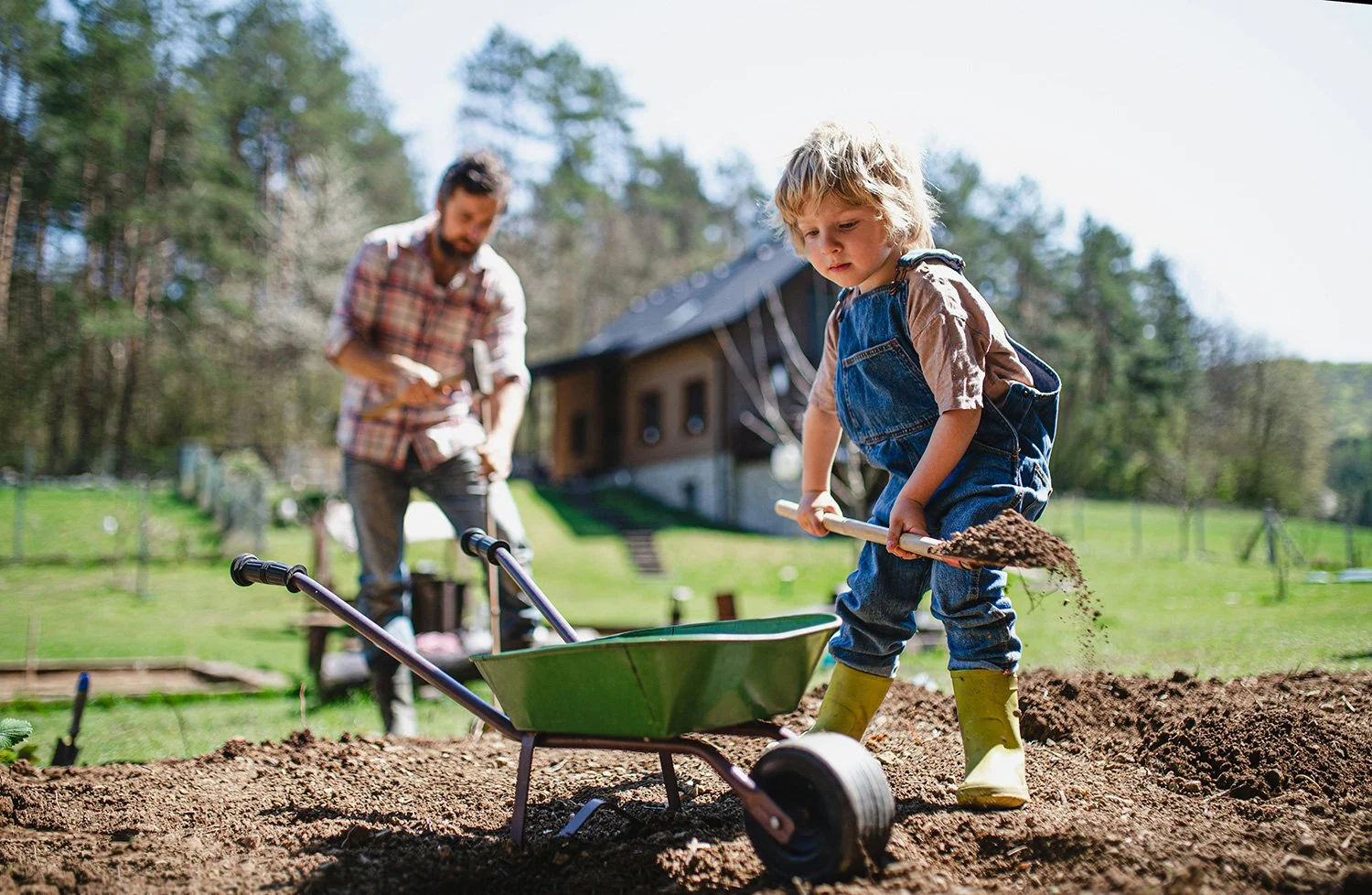
Spring break promises breathing room. Fewer alarms. Less rushing from one place to the next. But for many families, that extra time disappears into screens—a parent replying to emails, a child on YouTube, everyone technically together but mentally elsewhere.
That’s not a failure of willpower. Screens are designed to fill gaps. The moment things slow down, they step in.
Unplugging doesn’t mean banning phones or declaring a full digital detox. It means choosing, in a few key moments, to protect shared attention. Because attention is where connection actually forms—and without it, even long stretches of “time together” can pass without anyone feeling closer at the end.
The benefits of unplugging one day a week
Studies from the University of California have shown that even the presence of a phone on the table (not in use) reduces the depth of conversation and perceived empathy between people. In families, that plays out as shorter exchanges and fewer moments of real, active listening—especially during holidays when expectations of “quality time” are already high.
Mindfulness helps not by adding more to the schedule, but by slowing interactions down just enough for them to register. It’s the difference between doing something together and actually remembering it later. Shared laughter during a board game. A walk where everyone notices something different. A meal that doesn’t feel rushed or fragmented.
Spring break is one of the easiest moments to experiment with this. There’s less pressure, fewer deadlines, and more flexibility to try small changes without turning them into rules. You don’t need perfect conditions, just a willingness to swap a bit of screen time for shared experiences that spark conversation and joy.
Spring break activities for kids
Play without purpose
Board games, card games, and outdoor play give families a reason to gather without pressure. They encourage turn-taking, cooperation, and healthy competition—all skills that matter beyond the game itself. Choose activities everyone can get involved with!
Make space for stories
Storytelling builds empathy and understanding. Invite family members to share memories, talk about funny moments, or create a story together one sentence at a time. It helps kids feel heard and reminds adults that connection doesn’t always come from “big” conversations.
Explore with awareness
Spring break is ideal for low-stakes adventures: parks, trails, neighbourhood walks, or local attractions. Before heading out, pause to set a simple intention—to notice, to slow down, to be curious. While exploring, encourage everyone to tune into their senses. These moments of shared attention deepen the experience.
Walk and observe
Try a short, silent walk together. Afterwards, talk about what stood out: sounds, colors, movements. It encourages mindfulness without needing explanation, and shows that everyone experiences the same space differently.
Bring mindfulness to the table
Meals are a natural anchor point. Cook together where possible. Eat without screens. Talk about the food—textures, flavors, where it came from. End with gratitude or even just a simple check-in. It’s a small habit that creates rhythm and connection.
Families who noticed the difference
“Leaving our devices behind felt uncomfortable at first—then freeing. Game nights became our favorite part of the day.”—The Pereira family
“Exploring the park without phones turned into a shared challenge. The kids were fully engaged—no reminders needed.”—The Robertello family
“Our gratitude dinners changed how we spoke to each other. The tone of the whole week softened.”—The Chua family
Hope your spring break is filled with fun
If spring break does one thing well, it’s expose how your family actually spends unstructured time together.
Mindfulness doesn’t need perfect timing or elaborate plans. It works because it shifts how attention is used—away from constant input and toward shared experience. When distractions drop, conversations stretch. When conversations stretch, people feel heard. And when people feel heard, connection follows naturally.

Anthony Cupo is a trained mindfulness facilitator (TMF) from the UCLA Semel Institute for Neuroscience and Human Behavior. He is a co-owner of Stepping Forward Counseling Center, LLC, and has been meditating for over 30 years.